
 February 12 2026
I have spent more than fifteen years bouncing between competitive ladders, single-player marathons, and the kind of live-service games that never really sleep. And if there is one thing I have learned, it is that a slick interface does not automatically mean a game is fair, secure, or player-friendly.
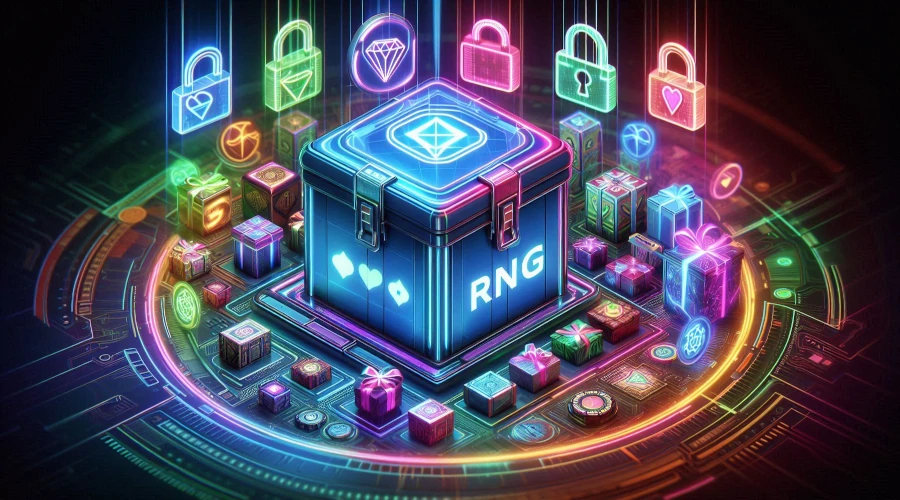
I have seen gorgeous menus hiding messy monetization, and I have seen low-budget games with straightforward systems that treat players with respect. In 2026, random rewards are everywhere: loot boxes, card packs, capsule pulls, gachas, and limited-time bundles that show up right when your brain is most vulnerable. If you have ever told yourself, “One more pull and I am done,” then you already know how powerful the loop can be.
This is not a “never spend money” lecture. It is a practical guide for spotting safer RNG systems, protecting your account, and keeping your fun intact.
When someone asks me whether a game’s RNG system is “safe,” I start with transparency. Not vibes. Not trailers. Not influencer hype. Transparency.
A player-first game makes it easy to understand what you are buying, what the odds are, and what happens if something goes wrong. A player-hostile game makes you dig for details, hides rules behind tiny links, or changes the math without warning.
Quick checks that usually tell the truth:
In casino-themed movies, the trap is always the same: the house makes the game look simple while hiding the edge in the details. Games do something similar, but with a friendlier smile.
A few common “fine print” mechanics that can quietly drain your budget:
A safer game is not only about the RNG math. It is also about whether your account can be stolen, your purchases can be disputed, and your data is treated responsibly.
Here are the signals I look for:
Players usually talk about fairness as a feeling: “This game is rigged.” Sometimes that is just tilt. Sometimes it is your pattern-seeking brain. But sometimes it is also a real design issue, especially when systems are opaque.
You do not need a math degree to evaluate fairness. You need to know whether the game gives you enough information to make informed choices, and whether it has a track record of communicating changes.
If patch notes dodge monetization changes, or if a developer refuses to clarify how a system works, treat that as a warning sign.
Here is my favorite pre-spend test: contact support before you buy anything expensive. Ask a specific question about purchases, missing items, or event rules.
If you get a vague copy-paste response, or you cannot reach a human, imagine how that will feel when a rare pull disappears or a bundle does not arrive.
A safer ecosystem usually has: a real ticket system, clear expected response times, and a record of fixing mistakes without making players beg.
The safest games are often the ones that do not rely on panic spending to survive. They give you room to stop, breathe, and come back tomorrow.
Look for features that make it easier to stay in control:
One extra resource for readers who want a separate safety checklist. If you are the kind of person who likes having a separate checklist for real-money platforms as well, here is a reference link you can skim: Safe casinos to play at. Even if your main hobby is gaming, the habit of verifying rules, reading terms, and testing support carries over.
RNG is not automatically evil. Opening packs can be fun, and chasing a perfect build can be part of the fantasy. The problem starts when systems rely on confusion, urgency, and silence.
Play the games that respect your time. Turn on 2FA. Track your spending. Read the event rules before you click “buy.” And if a game makes you feel stressed more often than it makes you feel excited, step back.
In 2026, the real flex is not pulling the rarest item. It is keeping your fun, your account, and your budget intact.
This article is for entertainment and informational purposes only. If spending starts feeling out of control, consider setting firm limits, taking a break, and reaching out to local support resources in your region.


Curacao-License

Curacao-License
 There is a No Deposit Bonus available: 20 Free Spins
Curacao-License

Curacao-License

Curacao-License
Malta-License (EU)

Curacao-License
Curacao-License
There is a No Deposit Bonus available:
25 Free Spins
Curacao-License
There is a No Deposit Bonus available: 25 Free Spins

Curacao-License
There is a No Deposit Bonus available: 30 Free Spins

Curacao-License
There is a No Deposit Bonus available: 25 Free Spins

Curacao-License

Curacao-License

 United States: